
Gemini Omni Flash Just Changed the Game: What Google I/O 2026 Reveals About the Future of AI
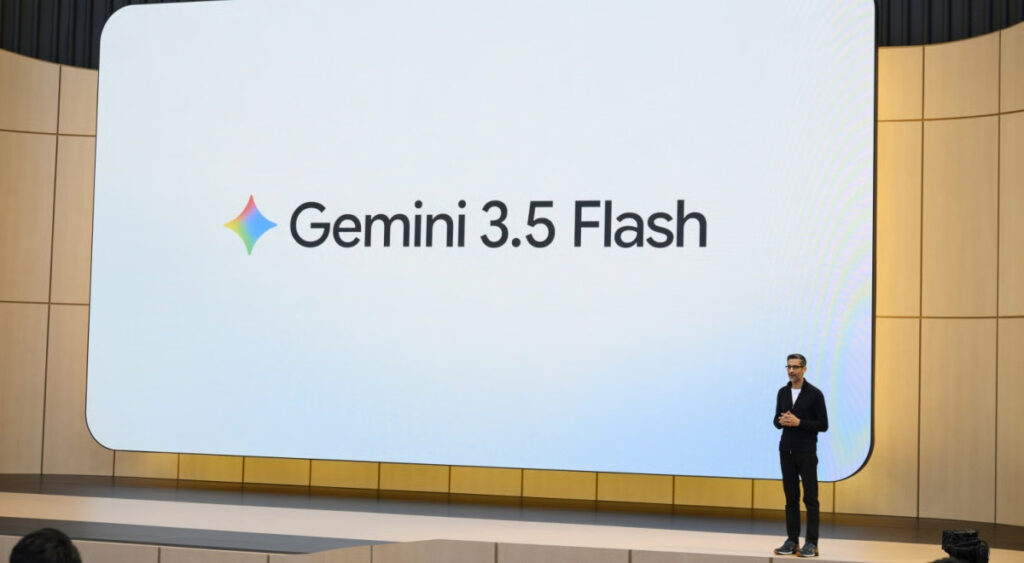
At Google I/O 2026, Google unveiled one of its most ambitious AI projects yet: Gemini Omni, a new family of multimodal AI models designed to understand and generate content across text, images, audio, and video. The first model in this family, Gemini Omni Flash, is already making waves across the creative and technology industries.
Unlike previous AI systems that specialized in a single medium, Gemini Omni Flash aims to become a true “world model”—an AI capable of understanding how the physical world works and using that understanding to create more realistic and coherent content. Google DeepMind CEO Demis Hassabis described it as a significant step toward more general-purpose intelligence and more capable creative systems.
Table of Contents
What Is a Gemini Omni Flash?
Gemini Omni Flash is a multimodal generative AI model that can take combinations of text, images, audio clips, and videos as inputs and transform them into entirely new video content. Unlike traditional text-to-video tools, Omni Flash can work across multiple media formats simultaneously, enabling far more sophisticated creative workflows.
For example, a user can:
- Upload a product image
- Add a voiceover recording
- Provide a written script
- Include a reference video
The AI can then combine all these inputs into a coherent video output while maintaining consistency in style, characters, lighting, and motion.
Google has integrated Omni Flash into the Gemini app, Google Flow, YouTube Shorts, and YouTube Create, signaling its intention to bring advanced AI content creation to mainstream users rather than limiting it to specialized studios.
Why It Matters: Beyond Text-to-Video
Many AI video generators today excel at creating visually impressive clips but struggle with consistency and realism. Objects may change appearance between scenes, physics may behave unnaturally, and characters often lose continuity.
Google claims Gemini Omni Flash addresses these limitations by leveraging a deeper understanding of real-world concepts such as:
- Gravity
- Kinetic energy
- Fluid dynamics
- Lighting behavior
- Object permanence
- Spatial relationships
This “world model” approach allows generated content to appear more natural and believable, especially in complex scenes involving movement, interactions, and environmental effects.
How Creative Professionals Can Use Gemini Omni Flash
Marketing and Advertising
Marketing teams can rapidly create promotional videos from existing brand assets.
Imagine uploading:
- Product photos
- Brand guidelines
- Audio narration
- Campaign messaging
The AI can automatically generate multiple advertisement variations optimized for social media, websites, and digital campaigns.
Social Media Content Creation
Content creators can turn a single image or idea into a polished short-form video suitable for YouTube Shorts, Instagram Reels, or TikTok.
Instead of spending hours editing footage, creators can focus on storytelling while AI handles production.
Educational Content
Teachers and training organizations can transform lesson plans into animated educational videos.
For example:
- Science concepts
- Historical recreations
- Product training modules
- Corporate onboarding content
can all be visualized using AI-generated multimedia.
Film Pre-Visualization
Filmmakers and production teams can use Omni Flash to create storyboards, scene mockups, and concept trailers before investing in expensive production resources.
This significantly reduces creative iteration costs.
E-Commerce Product Demonstrations
Retailers can generate realistic product showcase videos from static product images, helping customers better understand features and use cases without traditional video production.
Continuous Editing: A Major Advantage
One standout capability of Gemini Omni Flash is iterative editing.
Rather than generating a video once and starting over for every change, users can continue refining projects through natural language instructions.
For example:
- “Make the lighting warmer.”
- “Change the background to a beach.”
- “Add rain effects.”
- “Replace the narrator’s voice.”
The AI can modify existing outputs while preserving character consistency and scene continuity.
This workflow feels much closer to collaborating with a creative editor than operating a traditional AI tool.
Part of Google’s Bigger AI Strategy
Gemini Omni Flash was not announced in isolation.
Google I/O 2026 showcased a broader vision where AI evolves from a chatbot into a proactive digital collaborator. Alongside Omni Flash, Google introduced:
- Gemini 3.5 Flash for faster reasoning and coding tasks
- Gemini Spark, a new AI agent platform
- Antigravity 2.0 for AI-powered software development
- Expanded AI experiences across Search, Workspace, Android, and YouTube
Together, these announcements suggest Google is building an ecosystem where AI can not only generate content but also perform complex tasks, automate workflows, and assist users across nearly every digital activity.
Challenges and Ethical Questions
As with any powerful generative AI system, Gemini Omni Flash raises important questions.
Industry observers have already noted that advanced video generation tools can create convincing representations of recognizable characters, public figures, and branded content, potentially creating new copyright, intellectual property, and misinformation challenges.
Google has emphasized responsible AI development and content authenticity initiatives, including technologies such as SynthID for identifying AI-generated media. However, the rapid advancement of generative video technology will continue to test existing legal and ethical frameworks.
The Future of Creative Work
Gemini Omni Flash signals a shift in how digital content will be created over the next decade.
Instead of separate tools for writing, image generation, audio production, and video editing, creators are moving toward unified AI systems capable of understanding and producing every form of media from a single prompt or workflow.
For marketers, educators, filmmakers, developers, and businesses, the implications are enormous: faster production cycles, lower creative costs, and entirely new forms of storytelling.
Google’s vision for Gemini Omni is simple but ambitious: create anything from any input. If technology continues to evolve at its current pace, that future may arrive sooner than most people expect.
Conclusion
At Certify360, we help individuals and organizations stay ahead of the AI curve through industry-focused training, certification programs, and hands-on learning experiences. Whether you’re a marketer, developer, educator, content creator, or business leader, now is the time to build the skills needed to thrive in an AI-driven future.
FAQs
How long can Gemini Omni Flash videos be?
Gemini Omni Flash currently generates videos of up to 10 seconds with synchronized audio. According to DeepMind’s Director of Product Management, Nicole Brichtova, this restriction is based on the current product rollout rather than a technical limitation of the model itself. Support for longer videos is planned for the future, although no timeline has been announced.
Does Gemini Omni Flash do 4K video?
Yes, Gemini Omni supports native video generation at 720p and offers a complimentary upscale to 1080p. However, 4K output is significantly more resource-intensive. According to Google, generating or upscaling content to 4K requires substantially more computing power, making it best suited for high-priority scenes where maximum visual quality is essential.
How is Gemini Omni Flash different from Veo 3.1?
Gemini Omni Flash differs from Veo in two key ways. First, it supports conversational, multi-turn editing, allowing users to refine videos through multiple iterations while maintaining character, scene, and visual consistency. Second, Omni focuses on understanding creative intent, whereas Veo performs best with highly detailed prompts that specify elements such as camera angles, lighting, and color grading.